Waterfall Poster Vector Illustration: A Versatile Asset for Modern Design Projects
The natural world offers endless inspiration for visual storytelling, and few elements capture the imagination quite like a cascading waterfall. When translated into digital assets, these scenes become powerful tools for communication. The Waterfall Poster Vector Illustration serves as a bridge between the raw beauty of the outdoors and the structured needs of graphic design. By utilizing vector technology, designers can scale these intricate landscapes without losing clarity, ensuring that every detail from the splashing water to the distant clouds remains crisp on any surface.
This specific type of graphic is more than just a decorative image; it represents a comprehensive solution for businesses and individuals looking to convey themes of adventure, ecology, and relaxation. Whether you are creating a banner for a travel agency or a sign for a local hiking club, the versatility of vector formats allows for seamless integration into various media. The ability to manipulate colors, layers, and compositions makes this an essential resource for anyone involved in creative production.
The Artistic Composition of Scenic Landscapes
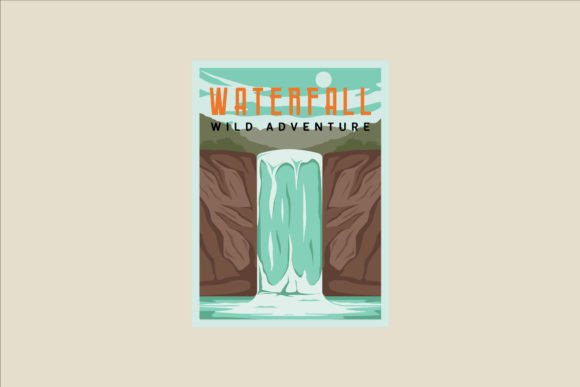
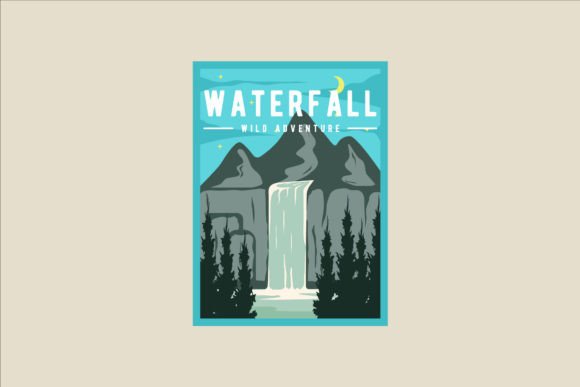
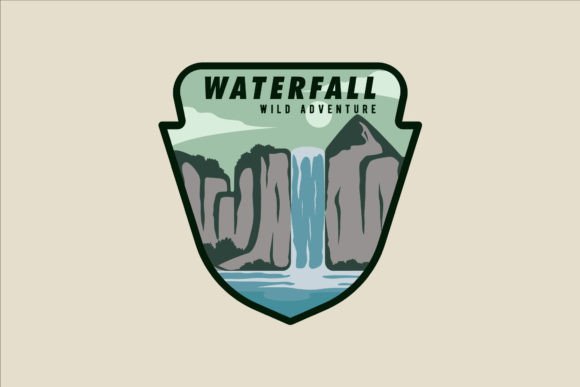
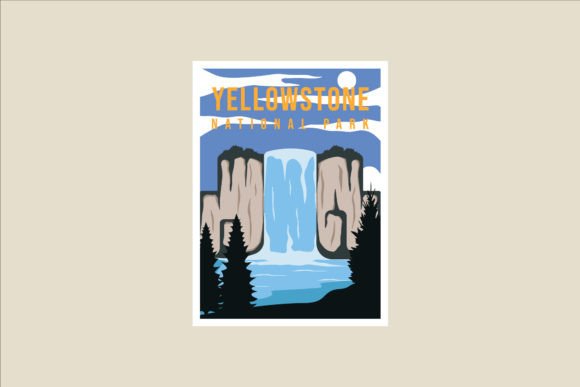
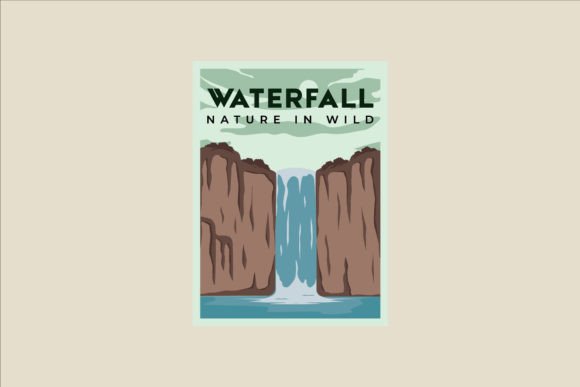
At the heart of a compelling waterfall poster vector illustration template lies a carefully balanced composition. These designs typically feature a dynamic interplay between solid geological forms and fluid motion. The visual narrative often begins with the stone structures that channel the river, leading the eye upward toward the source where the water plunges into a lake below. This vertical movement creates a sense of energy and flow that is inherently engaging to the human eye.
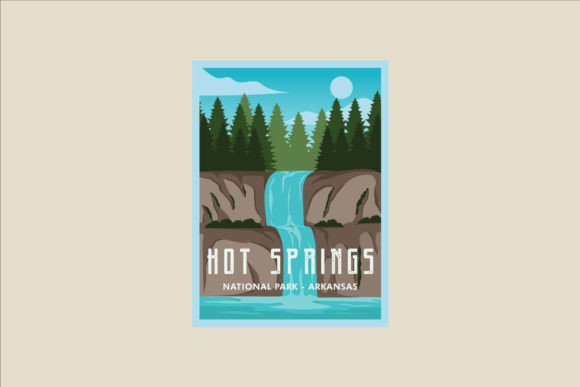
Surrounding the central cascade, artists incorporate lush vegetation such as bushes and trees that frame the scene. These elements add depth and context, grounding the viewer in a specific environment. The inclusion of hills and mountains in the background further enhances the sense of scale, suggesting a vast wilderness waiting to be explored. Above, the sky is often depicted with soft clouds and a bright sun, providing natural lighting that illuminates the water's surface and creates realistic reflections.
The color palette used in these illustrations is critical for setting the mood. Designers often employ vibrant greens to represent the vitality of nature, cool blues and whites for the water, and earthy tones for the rocks. This harmonious blend of colors ensures that the final product feels organic and inviting. When applied to a business concept, these colors can evoke feelings of freshness and tranquility, which are highly desirable attributes for tourism-related services.
Key Visual Elements in Nature Banner Design
- Splash and Water Dynamics: Detailed rendering of water droplets and foam adds realism to the static image, capturing the moment of impact.
- Natural Lighting: The depiction of sunlight filtering through trees or reflecting off the water surface creates a warm, welcoming atmosphere.
- Wilderness Context: Background elements like dense forests and rugged terrain emphasize the "wild" aspect of the location.
- Scenic Viewpoints: Angles that showcase the height of the fall or the breadth of the surrounding valley provide a majestic perspective.
Practical Applications Across Industries
The utility of a high-quality vector illustration extends far beyond simple wall art. Because the file formats allow for infinite scalability, these graphics can be adapted for a wide array of practical applications. For professionals in the travel and tourism sector, these images are invaluable for marketing materials. They serve as the backbone for advertising flyers, brochures, and social media posts that aim to entice potential visitors to explore new destinations.
Consider a resort looking to promote its eco-friendly initiatives. A beautiful landscaped in nature banner featuring a pristine waterfall can visually communicate their commitment to preserving the environment. Similarly, outdoor gear companies might use these designs on their packaging or website headers to align their brand with the spirit of hiking and adventure. The imagery suggests resilience, purity, and the thrill of the unknown, which resonates deeply with consumers who value outdoor experiences.
Beyond commercial enterprises, educators and researchers can utilize these illustrations in presentations and publications. A clear, detailed graphic of a river ecosystem can help explain hydrological concepts or the importance of ecological balance. Hobbyists and DIY enthusiasts also find great use in these templates. They can be printed on mugs, ornaments, and other gifts, allowing individuals to share their love for nature with friends and family. The adaptability of the design means it fits perfectly into personal projects as well as corporate campaigns.
Diverse Use Cases for Creative Professionals
- Merchandise Production: Print the design on t-shirts, tote bags, or stickers for a boutique shop.
- Event Decoration: Cut the artwork out of vinyl in bulk to create window decals or wall murals for a retreat center.
- Digital Marketing: Use the transparent PNG version to overlay text on websites or email newsletters.
- Print Media: Generate high-resolution PDFs for large-format posters displayed in lobbies or offices.
Technical Advantages of Vector Formats
One of the most significant benefits of choosing a vector-based asset over a raster image is the flexibility it offers during the editing process. The download package typically includes multiple file formats, such as SVG, PNG, JPG, PDF, and EPS, each serving a specific purpose in the workflow. This variety ensures that users have options no matter which design program they choose to use, whether it is Adobe Illustrator, CorelDRAW, or a web development tool.
The SVG (Scalable Vector Graphics) format is particularly powerful for web design. It allows the image to resize dynamically based on the screen size without pixelation, ensuring a sharp appearance on everything from mobile phones to large desktop monitors. Furthermore, SVG files are lightweight, which helps improve page load speeds—a crucial factor for SEO and user experience. For print purposes, the EPS (Encapsulated PostScript) and PDF files are ideal. These formats preserve the vector data, allowing printers to produce output at any size, from a small business card to a massive billboard, with perfect clarity.
The inclusion of PNG files with transparent backgrounds at 300 dpi provides immediate usability for designers who need to layer the waterfall image over different colored backgrounds. This eliminates the need for time-consuming manual tracing or background removal. The JPG files offer a compressed, universal format suitable for quick sharing or basic printing tasks where transparency is not required. Having all these formats in one package streamlines the production process, saving valuable time and resources.
File Format Capabilities
- Adobe Illustrator 10 EPS: Best for professional editing and scaling within industry-standard software.
- HD Quality Vector PDF: Ideal for high-fidelity printing and document embedding.
- PNG (300 dpi): Perfect for web graphics and layered composites requiring transparency.
- SVG: Essential for responsive web design and interactive elements.
Implementation Strategies for Maximum Impact
To get the best results when working with these illustrations, it is important to understand how to integrate them effectively into your projects. For those using professional software, opening the EPS file using Adobe Illustrator is recommended. This allows access to the individual layers, enabling you to customize colors, adjust the position of elements like the sun or clouds, and modify the text if needed (though note that some text may be non-editable depending on the creator's settings).
When designing for physical products, consider the material and finish. Printing a graphic design of a waterfall on glossy paper can enhance the perception of water, making the colors pop. Conversely, a matte finish might better suit a rustic, eco-friendly aesthetic. If you are cutting the design out of vinyl for signage, ensure that the lines are thick enough to hold together during the weeding process. The vector nature of the file makes this easy to achieve by adjusting stroke weights before exporting to the cutting machine.
In the realm of digital advertising, the beautiful landscaped in nature banner can be animated. While the base illustration is static, designers can use the separate vector layers to create subtle movements, such as flowing water or drifting clouds, adding a dynamic element to online ads. This level of interactivity can significantly increase engagement rates compared to static images. The key is to maintain the integrity of the original design while enhancing it with motion that complements the serene yet adventurous theme.
Conclusion on Design Versatility
The Waterfall Poster Vector Illustration stands out as a multifaceted resource that caters to a broad spectrum of needs. From its detailed depiction of natural elements like stone, water, and foliage to its technical robustness across various file formats, it offers a reliable foundation for creative endeavors. Whether you are a business owner seeking to elevate your brand identity, an educator illustrating environmental concepts, or a hobbyist crafting unique gifts, this asset provides the necessary tools to bring your vision to life.
The ease of use combined with the high quality of the output ensures that even those with limited design experience can produce professional-looking results. By leveraging the included SVG, PNG, JPG, PDF, and EPS files, users can adapt the artwork to fit almost any medium. Ultimately, the ability to transform a digital vector into a tangible piece of art or a digital banner underscores the enduring value of high-quality graphic design in our visual culture.