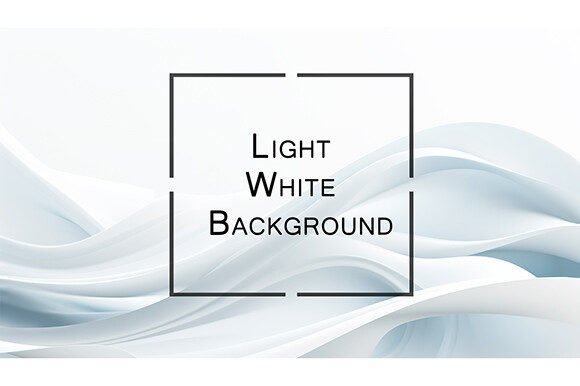
Unlocking Versatility with a Premium Light White Background
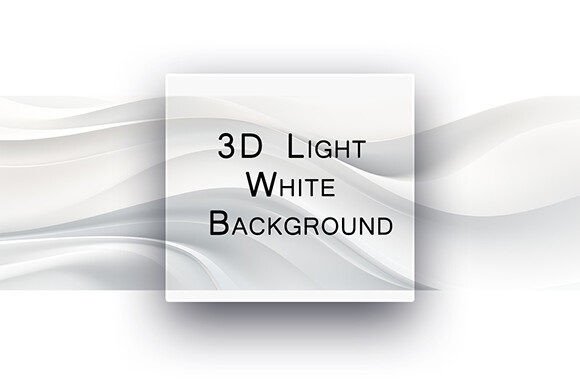
In the vast landscape of digital and print design, few elements are as fundamental yet transformative as a high-quality background. Among the most sought-after assets for professionals and hobbyists alike is the Light White Background. While it may appear simple at first glance, this specific aesthetic serves as a cornerstone for creating clean, professional, and visually appealing content across a multitude of platforms. This article explores the multifaceted utility of a premium light white canvas, specifically one characterized by smooth wavy lines, and how it elevates various creative endeavors.
The Anatomy of a Premium Visual Asset
When designers speak of a "light white background," they often refer to more than just a flat color code like #FFFFFF. The true value lies in the texture, resolution, and subtle nuances that bring the image to life. Consider a file specification of 3675x2100 pixels at 300 DPI. This level of detail ensures that the asset remains crisp whether viewed on a mobile device screen or printed on a large-format poster. The mention of "Smooth Wavy Lines" introduces a dynamic element to an otherwise neutral space. These lines provide depth without overwhelming the viewer, creating a sense of movement and organic flow that static white cannot achieve.
This specific combination—clean white tones paired with fluid, wavy textures—offers a unique balance. It avoids the sterility of pure white while maintaining the clarity required for legibility. For those working in high-stakes environments where visual perception matters, such as corporate branding or educational materials, this texture acts as a sophisticated frame for the primary content. The 300 DPI resolution guarantees that when the image is rendered, there are no jagged edges or pixelation, preserving the integrity of the design from the initial concept to the final output.
Diverse Applications Across Industries
The versatility of this background allows it to serve a wide array of purposes, adapting seamlessly to different industry needs. Its adaptability is not merely about fitting into a template; it is about enhancing the message being conveyed through thoughtful design choices.
- Corporate and Business Branding: In the business world, trust and professionalism are paramount. A Light White Background with subtle wavy patterns conveys stability and modernity. It is ideal for business cards, where the texture adds a tactile feel even before the card is touched, and for invitations, where it sets a tone of elegance. When used in packaging, it provides a clean canvas that allows product colors to pop while suggesting a premium quality associated with the brand.
- Digital Presence and Social Media: For website developers and social media managers, loading times and visual impact are critical. This high-resolution JPEG format is optimized for web use while retaining print quality. As a backdrop for blogs or landing pages, the smooth wavy lines guide the user's eye naturally toward the call-to-action buttons or key information. It prevents the visual fatigue often caused by stark, solid colors, making the browsing experience more comfortable and engaging.
- Educational and Research Materials: Educators and researchers often need to present complex data or text-heavy documents. A background with gentle waves can break up the monotony of long articles or slide decks without distracting from the core content. Whether designing a notebook cover for students or a presentation slide for a conference, this background ensures that the focus remains on the intellectual substance of the work.
- Creative and Hobbyist Projects: For artists and DIY enthusiasts, the possibilities are endless. From wall art to personalized postcards, the texture offers a starting point that inspires creativity. The wavy lines can be interpreted as water, wind, or abstract motion, allowing creators to layer their own artistic expressions over a foundation that feels both structured and free-flowing.
The Technical Advantage of High Resolution
Understanding the technical specifications of a design asset is crucial for achieving professional results. The specification of 300 DPI (Dots Per Inch) is the industry standard for high-quality printing. Unlike images intended solely for screens, which typically operate at 72 DPI, a 300 DPI file contains significantly more data points per inch. This density is what allows for sharp text reproduction and clear line work when the image is printed on physical media.
Furthermore, the dimensions of 3675x2100 pixels offer a generous aspect ratio suitable for a variety of formats. This size accommodates both landscape-oriented posters and wide-format banners without the need for stretching or distortion. When a designer selects a background with these exact measurements, they are ensuring that the workflow remains efficient. There is no need to upscale the image, which would degrade quality, or crop essential details. The asset is ready for immediate deployment in applications ranging from small-scale stationery to large-scale environmental graphics.
The choice of JPEG format also plays a role in accessibility. While PNG files support transparency, JPEGs are universally compatible with almost all software, from Adobe Creative Cloud to basic word processors. They offer a balance between file size and image quality, making them practical for sharing via email or uploading to content management systems without compromising the visual fidelity provided by the 300 DPI resolution.
Psychological Impact of Minimalist Design
Design is not just about aesthetics; it is about psychology. The human brain processes visual information rapidly, and the choice of background color and texture can subconsciously influence how a message is received. A Light White Background is often associated with purity, simplicity, and clarity. It creates a sense of openness and airiness, which can reduce cognitive load for the viewer.
However, the addition of smooth wavy lines introduces a psychological counterpoint: comfort and flow. Sharp angles can sometimes feel aggressive or rigid, whereas curves are perceived as friendly and natural. This duality makes the background particularly effective for brands that want to appear innovative yet approachable. For instance, a healthcare provider might use this background to convey cleanliness and care, while a tech startup might use it to suggest forward-thinking and fluidity.
In the context of wall art or home decor, this background brings a calming presence to a room. It does not compete with other furniture or artwork but rather complements them, acting as a neutral stage. This neutrality is a powerful tool for interior designers who need a backdrop that works with any color palette, ensuring that the overall aesthetic remains cohesive regardless of the season or trend changes.
Implementation Strategies for Creators
To maximize the potential of this asset, creators should consider how they integrate it into their workflows. One effective strategy is to treat the background as a foundational layer rather than a finished product. By adjusting the opacity or blending modes in graphic design software, users can create custom effects that highlight the wavy texture without overpowering the foreground content.
- Layering Textures: Combine the wavy lines with other subtle patterns or gradients to add complexity. This technique is useful for creating unique textures for book covers or magazine layouts.
- Color Overlay Techniques: Apply a soft tint over the light white background to match a specific brand identity. Because the base is so light, even a low-opacity color will shift the mood of the entire design without losing the underlying texture.
- Focus on Typography: Use the clean areas of the background to place bold, sans-serif typography. The contrast between the heavy text and the delicate wavy lines creates a striking visual hierarchy that draws attention immediately.
- Print Preparation: Before sending a project to print, ensure that the color mode is set to CMYK if using a professional printer, even though the source is a digital JPEG. This step ensures that the white tones translate accurately to paper, avoiding unwanted gray casts.
Future Trends in Digital and Print Design
As we look toward the future of design, there is a growing trend towards sustainability and minimalism. Consumers are increasingly drawn to designs that feel authentic and uncluttered. The Light White Background aligns perfectly with this movement. It represents a move away from the neon, chaotic, and overly saturated styles of the past decade toward something more timeless and enduring.
The inclusion of organic shapes, like the smooth wavy lines mentioned, reflects a broader cultural interest in nature and fluidity. In a digital world dominated by rigid grids and square corners, introducing curves provides a refreshing change. This trend is likely to continue influencing everything from app interfaces to architectural signage. Designers who adopt these elements now will be well-positioned to meet the evolving expectations of audiences who crave both functionality and beauty.
Moreover, the demand for high-resolution assets is only increasing as display technology improves. With the advent of 4K and 8K screens, viewers have sharper eyes for detail. A background that looks good on a standard monitor but blurs on a retina display will quickly become obsolete. Investing in assets that are built for the highest standards of resolution, such as the 3675x2100 px, 300 DPI file described here, ensures longevity and relevance in a fast-paced market.
Conclusion: A Foundation for Excellence
The journey from a simple concept to a polished final product often hinges on the quality of the building blocks used. A premium Light White Background with smooth wavy lines is more than just an image; it is a versatile tool that empowers creators across every sector. Whether you are crafting a business invitation, designing a website banner, or producing educational materials, this asset provides the perfect balance of structure and grace.
Its high resolution ensures that your work stands out in both digital and physical realms, while its minimalist yet textured nature appeals to a broad audience. By understanding and leveraging the characteristics of this background, professionals and hobbyists alike can elevate their projects to new heights of quality and effectiveness. In a world full of noise, sometimes the most powerful statement is made with a clean, flowing, and beautifully detailed white space.